India's Hill Stations, Three Ways
Colonial Shimla, tea-country Darjeeling, and the Buddhist kingdom of Sikkim — three genuinely different Himalayan escapes from the heat of the plains.
Tours from $300 per person
*Indicative price in USD. Final quote provided in INR or USD based on your preference. Price varies by travel dates, group size and hotel category.
Hill Station Tour Packages
Where Hill Station Tours Actually Go
Planning a Hill Station Trip
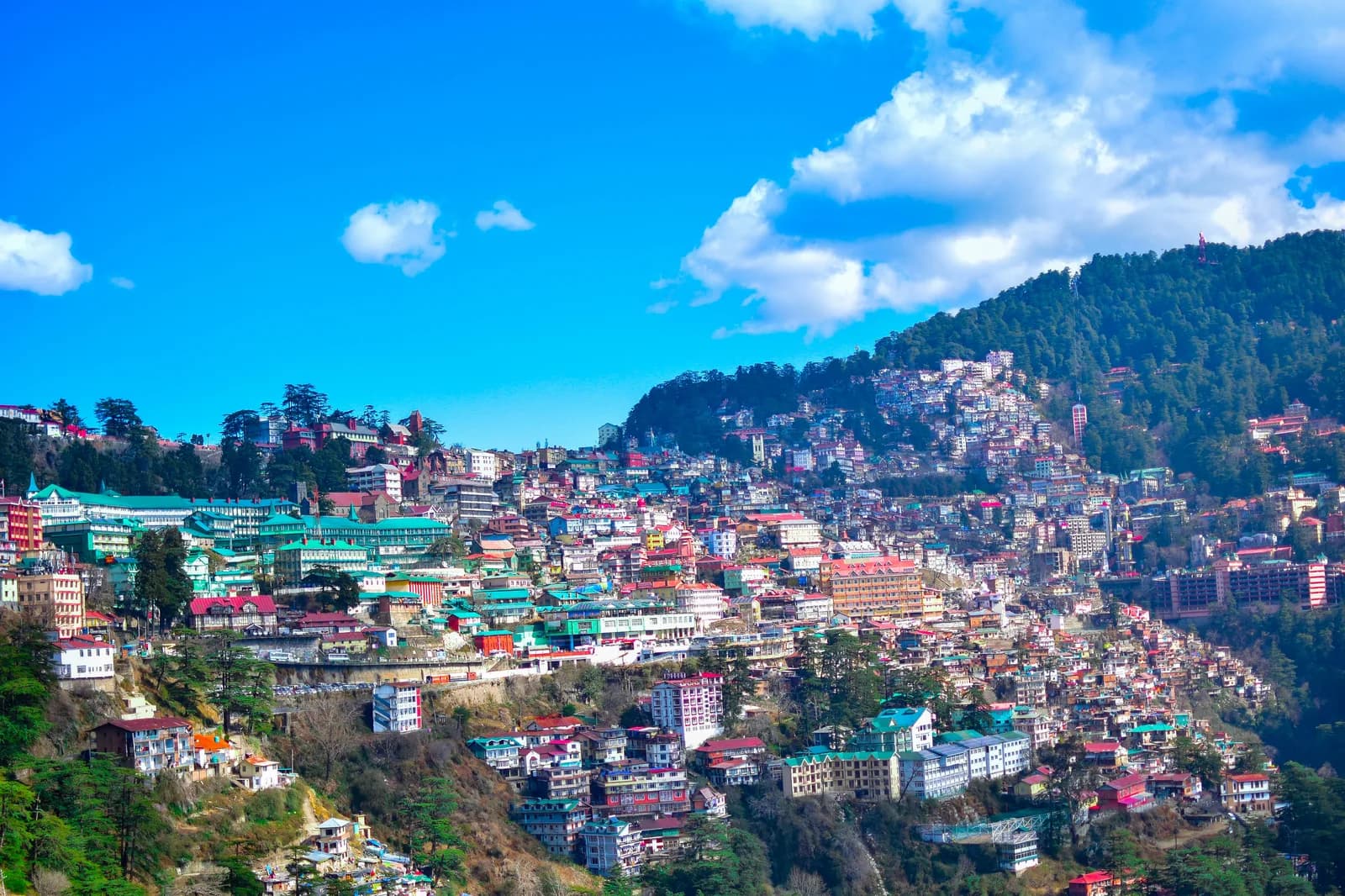
India's hill stations exist for a simple historical reason: the British Raj needed somewhere cooler than the plains to spend the summer, and the towns they built for that purpose — Shimla chief among them — still carry that colonial character today, layered underneath a genuinely Indian mountain culture that predates and outlasted it. The three routes above cover three different ranges and registers rather than one interchangeable hill-station experience: Himachal Pradesh pairs colonial Shimla with adventure-focused Manali, Darjeeling centres on tea and a UNESCO-listed railway, and Sikkim offers a genuinely different, Buddhist Himalayan kingdom largely untouched by the Raj altogether.
Shimla was literally the summer capital of British India, and its Mall Road and Ridge still carry the half-timbered, Tudor-revival architecture built for exactly that purpose, alongside the toy-train-scale Kalka-Shimla Railway climbing up to meet it. Manali, a few hours further into the mountains, trades colonial history for adventure and scenery — paragliding, river rafting, and the gateway road toward Leh and Ladakh via some of the highest motorable passes in the world, for travellers who want a taste of high-altitude terrain without committing to a full Ladakh trip.
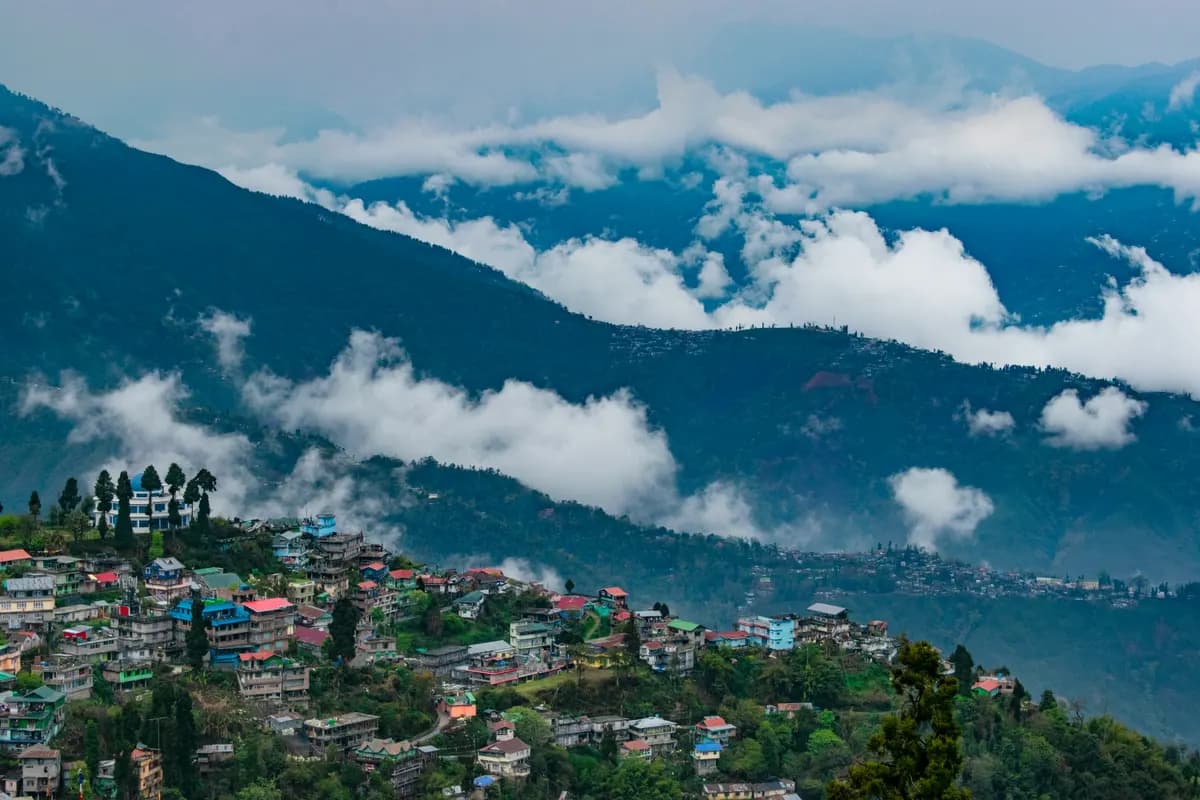
Darjeeling's identity is built around two things: tea, grown on terraced estates that have supplied some of the world's most prized leaves since the mid-19th century, and the Darjeeling Himalayan Railway, a narrow-gauge steam 'toy train' that is itself a UNESCO World Heritage Site, still climbing the same mountain grades it was built for in 1881. On a clear morning, Tiger Hill above the town offers one of the most reliable sunrise views of Kanchenjunga, the world's third-highest peak, anywhere in India.
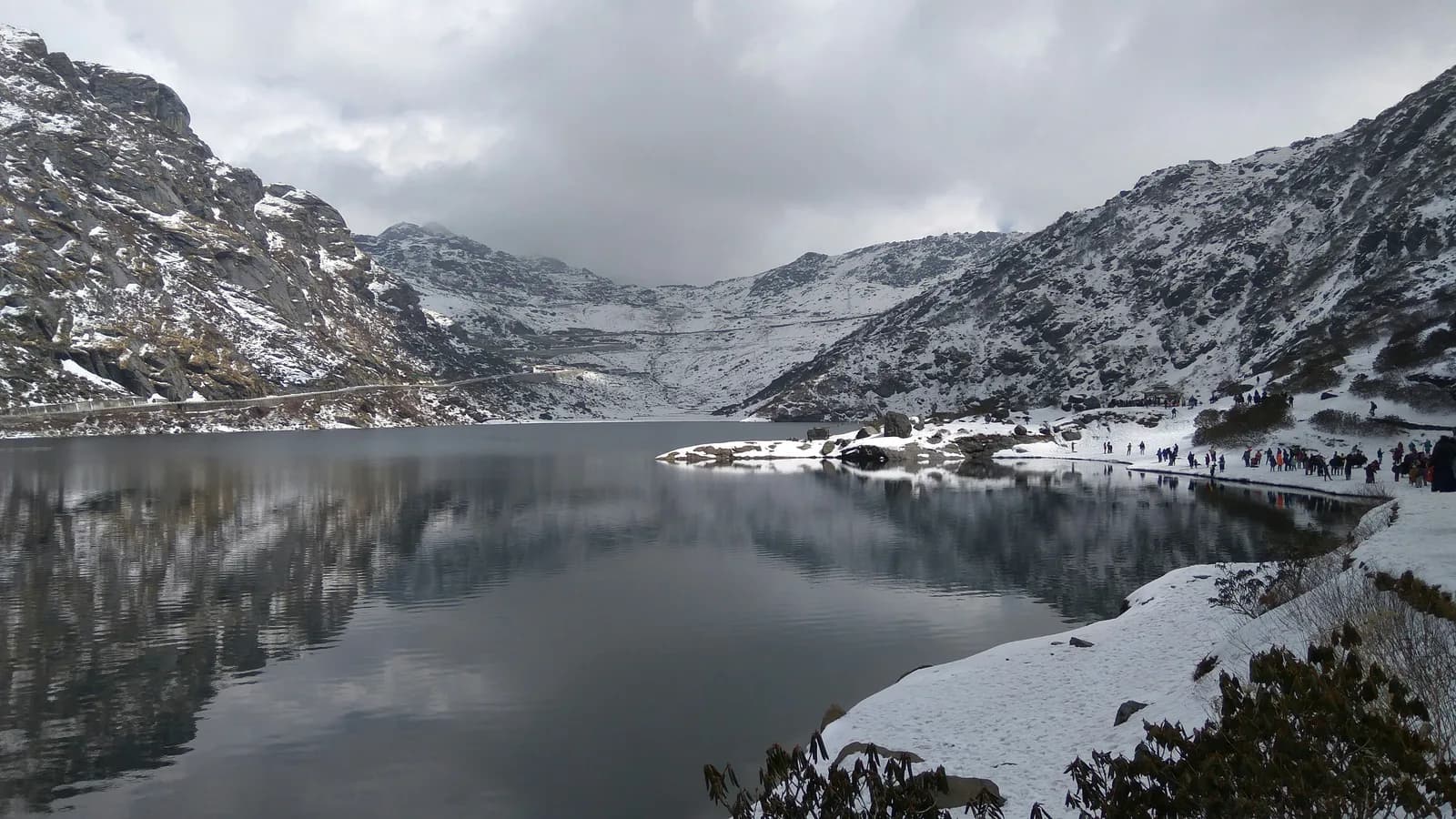
Sikkim holds a genuinely different history from anywhere else on this list — an independent Buddhist kingdom until it merged with India in 1975, still visibly shaped by that Tibetan Buddhist heritage in its monasteries, prayer flags and mountain culture. Tsomgo Lake, a glacial lake at over 3,700 metres near the Chinese border, and the historic Nathu La Pass trade route are among its best-known sights, alongside Kanchenjunga views that rival Darjeeling's from the opposite side of the range.
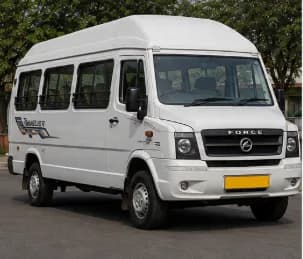
All three regions require a private vehicle and driver genuinely experienced with mountain roads — switchback passes, changeable weather and altitude all matter more here than on a standard sightseeing itinerary. See our car rental fleet for the range of vehicles we use across different terrain. If you'd like even higher altitude and a genuinely different landscape again, our Kashmir & Ladakh Tours go considerably further into the high Himalaya. Tell us your dates and which of these three regions interests you most, and we'll build the exact trip around it.
Getting Around by Private Vehicle


Hill Station Tours: Frequently Asked Questions
Can't find your answer? Our team responds within 2 hours on WhatsApp and within 12 hours by email.
Which hill station should I choose — Himachal, Darjeeling, or Sikkim?
Himachal (Shimla and Manali) suits travellers who want colonial history alongside adventure activities and easy access from Delhi. Darjeeling suits tea and railway enthusiasts, with reliable Kanchenjunga views. Sikkim suits travellers wanting a genuinely different Buddhist Himalayan culture and higher-altitude mountain lakes.
Is the Darjeeling Himalayan Railway worth riding?
Yes — it's a UNESCO World Heritage Site in its own right, a narrow-gauge steam railway that has climbed the same mountain grades since 1881. Most itineraries include at least a short joyride segment on it, rather than the full multi-hour route, which is enough to experience it without dedicating a whole day.
What's the best time of year to visit India's hill stations?
March through June is popular for escaping the plains' heat, and September through November offers clear mountain views after the monsoon. Winter (December-February) brings snow to Manali and parts of Sikkim, appealing if that's specifically what you're after, though some higher routes and passes may close.
Can I combine Darjeeling and Sikkim in one trip?
Yes — this is a common and natural combination, since both are reached via Bagdogra airport in West Bengal and sit close enough together to visit in one connected itinerary, giving you both the tea-and-railway side of the region and Sikkim's more remote Buddhist culture.
Is altitude sickness a concern in these hill stations?
Generally no for Shimla, Manali or Darjeeling, all at moderate elevations most people adjust to easily. Parts of Sikkim, particularly Tsomgo Lake at over 3,700 metres, sit high enough that it's worth taking it easy on arrival, though it's a much shorter exposure than a Ladakh trip.
Himachal (Shimla and Manali) suits travellers who want colonial history alongside adventure activities and easy access from Delhi. Darjeeling suits tea and railway enthusiasts, with reliable Kanchenjunga views. Sikkim suits travellers wanting a genuinely different Buddhist Himalayan culture and higher-altitude mountain lakes.
Yes — it's a UNESCO World Heritage Site in its own right, a narrow-gauge steam railway that has climbed the same mountain grades since 1881. Most itineraries include at least a short joyride segment on it, rather than the full multi-hour route, which is enough to experience it without dedicating a whole day.
March through June is popular for escaping the plains' heat, and September through November offers clear mountain views after the monsoon. Winter (December-February) brings snow to Manali and parts of Sikkim, appealing if that's specifically what you're after, though some higher routes and passes may close.
Yes — this is a common and natural combination, since both are reached via Bagdogra airport in West Bengal and sit close enough together to visit in one connected itinerary, giving you both the tea-and-railway side of the region and Sikkim's more remote Buddhist culture.
Generally no for Shimla, Manali or Darjeeling, all at moderate elevations most people adjust to easily. Parts of Sikkim, particularly Tsomgo Lake at over 3,700 metres, sit high enough that it's worth taking it easy on arrival, though it's a much shorter exposure than a Ladakh trip.
Itinerary planned by Dhruv Poonia, Digital & Marketing Manager
Start Your Journey
Your Hill Station Trip Awaits.
Which Region Fits?
Not sure which region suits your dates and interests? Tell us what you have in mind and we'll help you pick — or build something in between.